
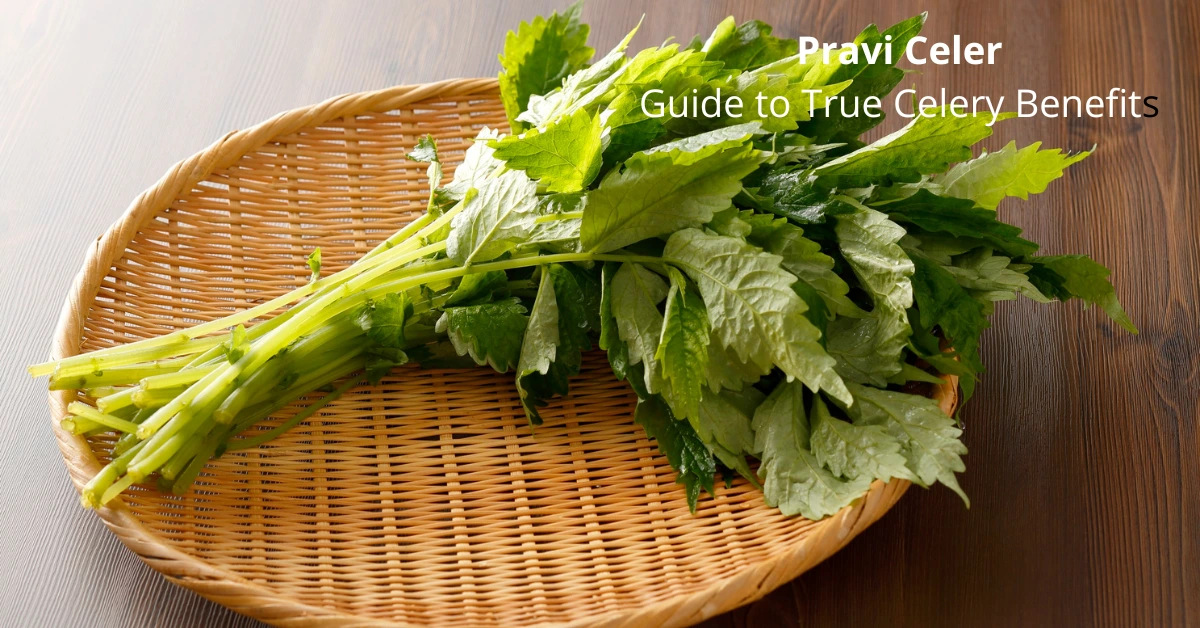
Pravi Celer: The Ultimate Guide to True Celery Benefits
Pravi celer, known as true celery or Mediterranean celery, represents the authentic variety of celery (Apium graveolens) that has been cultivated for centuries in Southern Europe. Unlike the thick-stalked American celery commonly found in supermarkets, pravi celer features thin stems, abundant leafy greens, and an intensely aromatic flavor profile that makes it a cornerstone ingredient in Mediterranean and Balkan cuisine.
Understanding True Celery Varieties
What Makes Pravi Celer Different
Pravi celer stands apart from conventional celery through its distinctive characteristics. The plant produces smaller, more slender stalks with a concentrated flavor that’s both earthy and slightly bitter. The leaves are more abundant and feathery compared to regular celery, making them ideal for seasoning and garnishing dishes.
Mediterranean Celery vs American Celery
The primary difference lies in breeding focus. American celery has been developed for crisp, thick stalks with mild flavor, while true celery maintains the plant’s original wild characteristics. Mediterranean celery offers stronger aromatics, more essential oils, and better adaptability to varied growing conditions.
Wild Celery Origins
True celery traces its lineage directly to wild celery found throughout Mediterranean regions. This heritage explains its robust flavor profile and natural resistance to pests and diseases. The plant’s genetic diversity has been preserved through traditional cultivation methods passed down through generations.
Cutting Celery Classification
Pravi celer falls into the cutting celery category, meaning it’s primarily grown for its leaves and thin stems rather than thick stalks. This classification includes various regional varieties that share similar growing habits and culinary applications.
Nutritional Benefits and Health Properties
Essential Vitamins and Minerals
True celery provides exceptional nutritional density in its leaves and stems. The plant contains high levels of vitamin K, vitamin C, and folate. Additionally, it offers significant amounts of potassium, which supports cardiovascular health and proper muscle function.
| Nutrient | Amount per 100g | Daily Value % |
|---|---|---|
| Vitamin K | 29.3 mcg | 24% |
| Vitamin C | 7.0 mg | 8% |
| Folate | 36 mcg | 9% |
| Potassium | 260 mg | 6% |
| Fiber | 1.6 g | 6% |
Antioxidant Compounds
The intense flavor of pravi celer correlates with high concentrations of antioxidant compounds. These include flavonoids like apigenin and luteolin, which have been studied for their anti-inflammatory properties. The plant’s essential oils also contribute to its therapeutic potential.
Digestive Health Support
Traditional Mediterranean medicine has long recognized true celery’s digestive benefits. The plant’s natural compounds may help stimulate digestive enzymes and support healthy gut function. Many cultures use celery leaves as a natural remedy for bloating and indigestion.
Cardiovascular Benefits
Regular consumption of pravi celer may support heart health through its potassium content and natural compounds that help regulate blood pressure. The plant’s fiber content also contributes to cholesterol management and overall cardiovascular wellness.
Cultivation and Growing Methods
Optimal Growing Conditions
Pravi celer thrives in cool, moist conditions with temperatures between 60-70°F (15-21°C). The plant prefers well-draining soil rich in organic matter with a pH between 6.0-7.0. Consistent moisture is crucial, as drought stress can cause the plants to bolt prematurely.
Seed Starting and Transplanting
Start true celery seeds indoors 10-12 weeks before the last frost date. The tiny seeds require light to germinate, so barely cover them with soil. Maintain soil temperature around 70°F (21°C) for optimal germination, which typically occurs within 14-21 days.
Transplanting Timeline
Transplant seedlings outdoors 2-4 weeks before the last expected frost. Harden off plants gradually over 7-10 days to prevent transplant shock. Space plants 6-8 inches apart in rows separated by 12-18 inches.
Seasonal Care Requirements
Mediterranean celery requires consistent watering throughout the growing season. Apply 1-2 inches of water weekly, ensuring soil remains evenly moist but not waterlogged. Mulching around plants helps retain moisture and suppress weeds.
Harvesting Techniques
Begin harvesting pravi celer leaves when plants reach 6-8 inches tall, typically 80-100 days from seeding. Cut outer leaves first, allowing the center to continue growing. For seed production, allow some plants to flower and mature fully in their second year.
Culinary Applications and Cooking Methods
Traditional Mediterranean Uses
In Mediterranean cuisine, pravi celer serves multiple culinary roles. The leaves function as both herb and vegetable, while the stems add flavor to soups, stews, and braised dishes. Italian cooks often use celery leaves in soffritto, the aromatic base for many traditional recipes.
Flavor Enhancement Techniques
The intense flavor of true celery means a little goes a long way in cooking. Add leaves toward the end of cooking to preserve their bright taste, or use them raw in salads and garnishes. The stems work well in long-cooking dishes where their flavor can develop fully.
Preservation Methods
Dry celery leaves by hanging small bundles in a warm, well-ventilated area. Once completely dry, store in airtight containers for up to one year. Fresh leaves can also be frozen in ice cube trays with water or oil for convenient portion control.
Modern Recipe Adaptations
Contemporary chefs appreciate pravi celer’s versatility in both rustic and refined dishes. The leaves make excellent pesto when combined with nuts and olive oil, while the stems add depth to vegetable stocks and broths.
Pairing with Other Ingredients
True celery complements tomatoes, onions, carrots, and garlic in most Mediterranean dishes. It pairs exceptionally well with beans, lentils, and other legumes. The plant’s earthy flavor also enhances meat dishes, particularly lamb and beef preparations.
Varieties and Regional Differences
Italian Cutting Celery
Italian varieties of pravi celer, such as ‘Presentazione’ and ‘Gigante Dorato’, emphasize leaf production over stalk development. These varieties typically have more aromatic foliage and adapt well to container growing for home gardeners with limited space.
Balkan Regional Types
Balkan countries have developed their own selections of true celery, often characterized by exceptional cold tolerance and intense flavor. These varieties have been selected for centuries to withstand harsh winters while maintaining their culinary qualities.
Greek Mountain Celery
Wild-type celery from Greek mountainous regions represents some of the most flavorful and hardy varieties available. These plants often display exceptional disease resistance and can tolerate poor soil conditions better than commercial varieties.
Heirloom Seed Conservation
Many traditional varieties of pravi celer exist only in small seed collections maintained by dedicated gardeners and cultural preservation groups. These heirloom types often possess unique flavor profiles and growing characteristics not found in modern commercial varieties.
Common Growing Challenges and Solutions
Pest Management Strategies
True celery faces several common pests, including aphids, leaf miners, and celery worms. Encourage beneficial insects by planting companion flowers like calendula and sweet alyssum. Remove affected leaves promptly and maintain good air circulation around plants.
Disease Prevention Methods
Fungal diseases such as septoria leaf spot and cercospora blight can affect pravi celer in humid conditions. Provide adequate spacing between plants, water at soil level rather than overhead, and remove infected plant material immediately to prevent spread.
Soil Health Maintenance
Maintain soil health through regular addition of compost and organic matter. Good drainage prevents root rot, while consistent fertility supports steady growth. Test soil annually and adjust pH as needed to maintain optimal growing conditions.
Climate Adaptation Tips
In warmer climates, provide afternoon shade and extra irrigation to prevent bolting. In cooler regions, use row covers or cold frames to extend the growing season. Choose varieties adapted to your specific climate zone for best results.
Storage and Post-Harvest Care
Harvest pravi celer in the morning when plant tissues are fully hydrated. Store fresh leaves in the refrigerator wrapped in damp paper towels for up to one week. For longer storage, process leaves into dried herbs or frozen preparations immediately after harvest.
Frequently Asked Questions
What is the difference between pravi celer and regular celery?
Pravi celer is true celery with thin stems, abundant aromatic leaves, and intense flavor, while regular celery has thick, mild-tasting stalks bred for crunch rather than flavor.
Can I grow pravi celer in containers?
Yes, true celery grows well in containers at least 8-10 inches deep with good drainage. Choose compact varieties and provide consistent moisture and partial shade in hot weather.
How do I use pravi celer leaves in cooking?
Use celery leaves like fresh herbs in soups, stews, salads, and as garnishes. They can be chopped fresh, dried for seasoning, or blended into pestos and sauces.
When is the best time to plant pravi celer?
Start seeds indoors 10-12 weeks before the last frost, then transplant outdoors 2-4 weeks before the last expected frost date in your area.
How long does it take for true celery to mature?
Pravi celer leaves can be harvested in 80-100 days from seeding, with continuous harvest possible throughout the growing season by cutting outer leaves first.
Growing Your Own Mediterranean Celery Garden
Successfully cultivating pravi celer connects modern gardeners with centuries of Mediterranean agricultural tradition. This remarkable plant offers both culinary rewards and nutritional benefits that far exceed those of conventional celery varieties. Whether grown in dedicated vegetable gardens or container systems, true celery provides consistent harvests of flavorful leaves and stems that enhance countless dishes. Start with quality seeds from reputable suppliers, provide consistent care throughout the growing season, and enjoy the authentic flavors that have sustained Mediterranean communities for generations.