UV Lacquers: Complete Guide to UV-Curable Coating Technology
Understanding UV Lacquers and UV-Curable Coating Technology
UV lacquers represent a revolutionary coating technology that uses ultraviolet light to instantly cure and harden protective finishes on various substrates. These advanced coatings have transformed industries from woodworking to electronics manufacturing by offering superior durability, faster production times, and enhanced environmental benefits compared to traditional coating systems.
The UV curing process involves photopolymerization, where UV light triggers chemical reactions that transform liquid coatings into solid, durable finishes within seconds. This technology eliminates the need for lengthy drying times and reduces volatile organic compound (VOC) emissions, making it an increasingly popular choice for manufacturers seeking efficient and sustainable coating solutions.
How UV-Curable Coatings Work
UV-curable coatings contain photoinitiators that absorb UV light energy and initiate polymerization reactions. When exposed to UV radiation, these molecules break down and create free radicals that cross-link the coating’s polymer chains, forming a tough, protective film.
Key Components of UV Coating Systems
Modern UV coating formulations typically include oligomers, monomers, photoinitiators, and various additives that control properties like flow, leveling, and final appearance. Each component plays a crucial role in determining the coating’s performance characteristics.
Industrial Applications and Market Growth
The UV coating market has experienced significant growth across automotive, furniture, flooring, and electronics industries. Manufacturers appreciate the technology’s ability to deliver consistent results while reducing energy consumption and production cycle times.
Types of UV-Curable Coatings and Formulations
UV coating technology encompasses several distinct formulation types, each designed for specific applications and performance requirements. Understanding these variations helps manufacturers select the optimal coating system for their particular needs and substrate materials.
Water-Based UV Coatings
Water-based UV coatings combine the environmental benefits of aqueous systems with UV curing technology. These formulations offer excellent adhesion to porous substrates like wood and paper while maintaining low VOC content and easy cleanup capabilities.
These coatings excel in applications where substrate penetration is important, such as wood finishing and paper coating. The water carrier allows for better wetting of irregular surfaces while still providing the instant cure benefits of UV technology.
Solvent-Based UV Coatings
Solvent-based UV coatings provide superior flow and leveling properties, making them ideal for achieving high-gloss finishes on smooth substrates. These formulations offer enhanced chemical resistance and durability for demanding industrial applications.
While containing higher VOC levels than water-based alternatives, solvent-based UV coatings deliver exceptional performance in automotive, metal finishing, and high-end furniture applications where appearance and durability are paramount.
100% Solids UV Systems
Completely solvent-free UV coatings represent the most environmentally friendly option, containing no volatile carriers that evaporate during curing. These systems provide maximum efficiency by converting nearly all applied material into the final coating film.
Specialty UV Coating Formulations
Advanced UV coating technology includes specialized formulations like UV dielectric coatings for electronics, UV-curable adhesives, and hybrid systems that combine UV curing with moisture cure mechanisms for enhanced versatility.
UV Wood Coatings: Applications and Advantages
The furniture and flooring industries have embraced UV wood coatings for their ability to provide exceptional durability while maintaining the natural beauty of wood surfaces. These coatings offer superior scratch resistance, chemical resistance, and clarity compared to traditional wood finishing systems.
Furniture Manufacturing Applications
UV wood coatings enable furniture manufacturers to achieve consistent, high-quality finishes with significantly reduced production times. The instant cure capability allows for immediate handling and packaging, dramatically improving manufacturing efficiency.
Kitchen cabinets, office furniture, and high-end residential pieces benefit from UV coatings’ exceptional durability and resistance to household chemicals, heat, and moisture. The technology allows for various sheen levels from high gloss to matte finishes.
Flooring Industry Benefits
Engineered hardwood flooring manufacturers utilize UV coatings to create extremely durable wear layers that withstand heavy foot traffic and resist scratching from furniture movement. These coatings often include aluminum oxide particles for enhanced abrasion resistance.
Woodworking Production Efficiency
Traditional wood finishing requires multiple coats with drying time between applications, often taking days to complete. UV wood coatings cure instantly, allowing manufacturers to apply multiple coats in rapid succession and complete finishing processes in hours rather than days.
Environmental Considerations in Wood Finishing
UV wood coatings significantly reduce VOC emissions compared to solvent-based lacquers and conversion varnishes. This environmental benefit helps manufacturers comply with increasingly strict air quality regulations while reducing workplace exposure risks.
| Coating Type | Cure Time | VOC Content | Durability Rating | Application Method |
|---|---|---|---|---|
| Traditional Lacquer | 4-8 hours | High (600-700 g/L) | Moderate | Spray, brush |
| Water-Based UV | Instant | Low (50-150 g/L) | High | Spray, curtain coat |
| Solvent-Based UV | Instant | Medium (200-400 g/L) | Very High | Spray, roll coat |
| 100% Solids UV | Instant | Zero | Excellent | Curtain coat, spray |
UV Coating Equipment and Application Methods
Successful UV coating application requires specialized equipment designed to deliver consistent coating thickness while providing adequate UV light exposure for complete curing. Understanding equipment options and application techniques ensures optimal coating performance and production efficiency.
UV Curing Systems and Light Sources
UV curing systems utilize various light sources including mercury vapor lamps, LED arrays, and microwave-powered lamps. Each technology offers specific advantages in terms of energy efficiency, lamp life, and curing characteristics for different coating formulations.
LED UV systems have gained popularity due to their instant on/off capability, longer service life, and lower heat generation. These systems provide precise control over UV wavelength output, enabling optimization for specific photoinitiator systems.
Coating Application Equipment
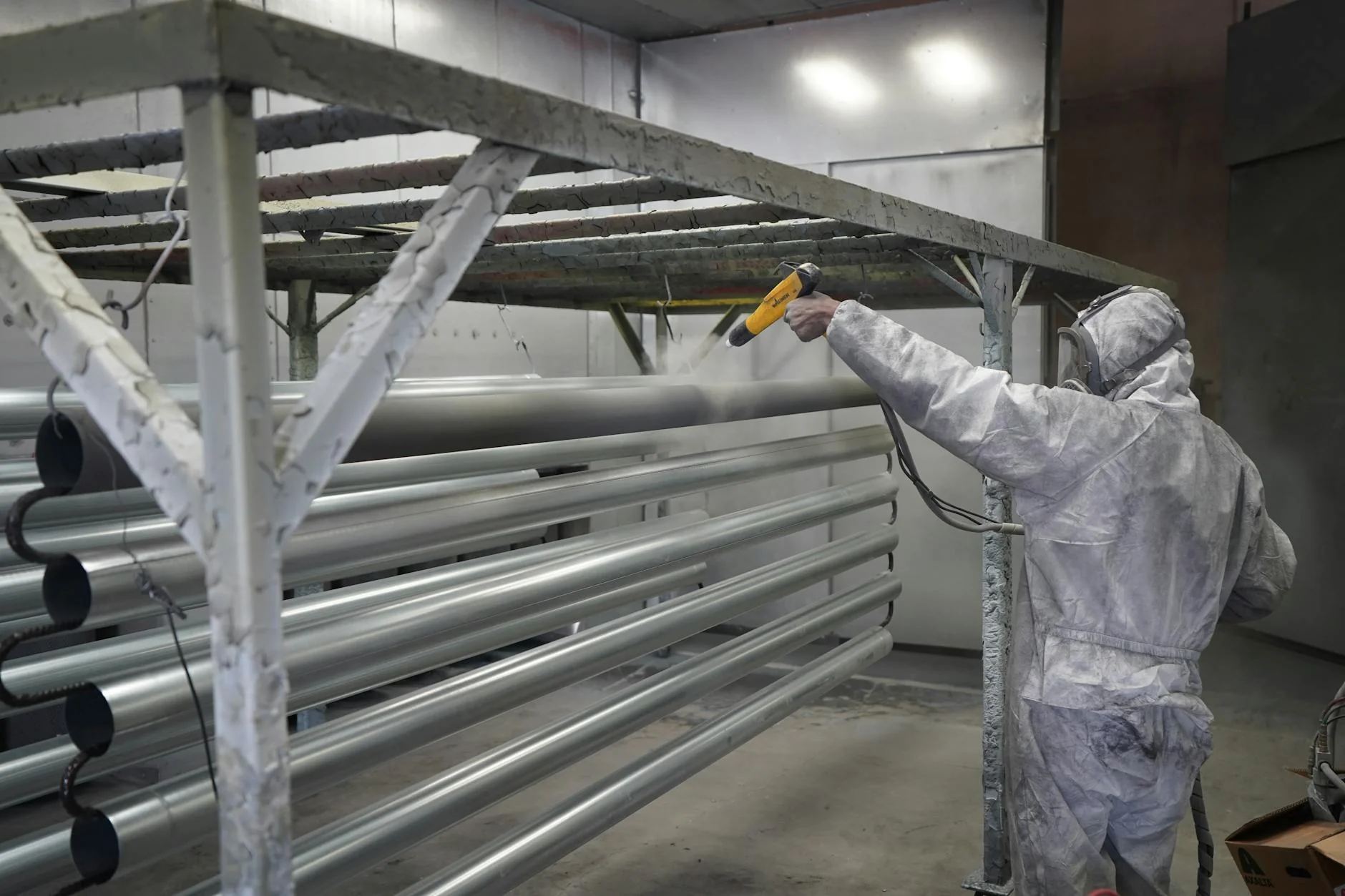
Professional UV coating application employs spray systems, curtain coaters, and roller application equipment depending on substrate type and production requirements. Automated systems ensure consistent coating thickness and uniform UV exposure across the entire coated surface.
Quality Control and Monitoring
UV coating operations require careful monitoring of cure levels using specialized instruments that measure coating hardness, adhesion, and chemical resistance. Proper quality control ensures consistent performance and helps optimize curing parameters for different substrates.
Production Line Integration
Modern UV coating lines integrate application and curing equipment with material handling systems, allowing for continuous processing of coated products. This integration maximizes throughput while maintaining consistent quality standards throughout production runs.
Safety Considerations and Best Practices
Working with UV coatings and curing equipment requires understanding potential health and safety risks while implementing appropriate protective measures. Proper safety protocols protect workers and ensure compliance with occupational health regulations.
UV Light Exposure Risks
UV curing equipment generates intense ultraviolet radiation that can cause severe eye damage and skin burns with direct exposure. Proper enclosure of UV equipment and use of UV-blocking safety glasses are essential safety requirements for all personnel.
Automated systems with interlocked safety shields prevent accidental UV exposure while allowing operators to monitor curing processes safely. Emergency stop systems immediately shut down UV lamps when safety enclosures are opened during operation.
Chemical Handling Precautions
UV coatings contain reactive chemicals including photoinitiators and acrylate monomers that can cause skin sensitization with repeated exposure. Proper personal protective equipment including chemical-resistant gloves and protective clothing prevents direct skin contact.
Ventilation and Air Quality
Adequate ventilation systems remove any vapors generated during UV coating application and curing processes. While UV coatings typically produce fewer emissions than solvent-based systems, proper air handling maintains optimal working conditions.
Equipment Maintenance and Safety
Regular maintenance of UV curing equipment ensures safe operation and optimal performance. This includes replacing UV lamps according to manufacturer recommendations and maintaining proper cooling systems to prevent overheating.
Comparing UV Coatings with Traditional Coating Systems
Understanding the performance differences between UV coatings and conventional finishing systems helps manufacturers make informed decisions about coating technology adoption. Each system offers distinct advantages depending on specific application requirements and production constraints.
Curing Speed and Production Efficiency
UV coatings provide instantaneous curing upon UV light exposure, eliminating drying time and allowing immediate handling of coated products. Traditional coatings require hours or days to fully cure, significantly extending production cycles and requiring substantial floor space for work-in-progress inventory.
Durability and Performance Characteristics
UV-curable coatings typically exhibit superior hardness, scratch resistance, and chemical resistance compared to air-dry or heat-cured systems. The cross-linked polymer structure created during UV curing provides enhanced durability for high-wear applications.
Environmental Impact Assessment
UV coating systems generally produce lower VOC emissions and reduce energy consumption compared to traditional heated dry systems. The elimination of solvent evaporation and reduced curing energy requirements contribute to smaller environmental footprints.
| Comparison Factor | UV Coatings | Traditional Coatings | Advantage |
|---|---|---|---|
| Curing Time | Seconds | Hours to days | UV Coatings |
| Energy Consumption | Low | High (heated dry) | UV Coatings |
| VOC Emissions | Very Low to Zero | High | UV Coatings |
| Equipment Investment | High initial cost | Lower initial cost | Traditional |
| Substrate Flexibility | Limited heat sensitivity | Broader compatibility | Traditional |
Cost Considerations and ROI Analysis
While UV coating systems require higher initial equipment investments, the reduced labor costs, eliminated drying time, and improved quality often provide attractive returns on investment for medium to high-volume production operations.
Industry Applications and Market Trends
UV coating technology continues expanding into new markets and applications as manufacturers recognize the benefits of instant curing, improved durability, and environmental advantages. Current trends indicate growing adoption across diverse industries seeking efficient, sustainable coating solutions.
Automotive Industry Applications
Automotive manufacturers utilize UV coatings for interior trim components, dashboard elements, and decorative parts where appearance and durability are critical. The technology enables complex multi-color designs with precise registration and immediate handling capabilities.
Electronics and Circuit Board Coatings
UV dielectric coatings protect electronic components from moisture, chemicals, and environmental contaminants while providing electrical insulation. These specialized formulations cure instantly without generating heat that could damage sensitive electronic components.
Packaging and Label Industries
UV coatings provide protective and decorative finishes for packaging materials, labels, and printed materials. The instant cure capability enables high-speed printing operations while delivering excellent print quality and durability.
Architectural and Decorative Applications
Building materials including metal panels, decorative laminates, and architectural components benefit from UV coatings’ weather resistance and color stability. These applications often require specialized UV formulations designed for outdoor exposure and thermal cycling.
Future Technology Developments
Emerging UV coating technologies include LED-curable formulations optimized for energy-efficient curing systems, bio-based raw materials for sustainable coatings, and hybrid systems combining UV curing with other technologies for enhanced performance.
Frequently Asked Questions
What is the difference between UV lacquers and traditional lacquers?
UV lacquers cure instantly when exposed to ultraviolet light, while traditional lacquers require hours or days to dry through solvent evaporation. UV lacquers typically provide superior durability, faster production times, and lower VOC emissions compared to conventional lacquer systems.
Can UV coatings be applied to all types of wood species?
Most wood species accept UV coatings well, though some exotic woods with high oil content may require special primers or surface preparation. Dense hardwoods and engineered wood products typically provide excellent substrates for UV coating applications with proper surface preparation.
How long do UV coating equipment systems typically last?
UV curing equipment can operate for many years with proper maintenance, though UV lamps typically require replacement every 1,000-2,000 hours of operation depending on lamp type. LED UV systems often provide 10,000+ hours of service life with minimal maintenance requirements.
Are UV coatings safe for food contact applications?
Properly cured UV coatings can meet food safety requirements when formulated with approved raw materials and completely cured. However, specific applications require coatings tested and certified for food contact use according to relevant regulatory standards.
What factors affect UV coating cure quality and performance?
Key factors include UV light intensity, exposure time, coating thickness, substrate temperature, and atmospheric conditions. Proper equipment setup, coating formulation selection, and process control ensure consistent cure quality and optimal coating performance across production runs.
Maximizing UV Coating Success in Your Operations
UV coating technology offers significant advantages for manufacturers seeking improved efficiency, enhanced product quality, and reduced environmental impact. Success requires careful selection of coating formulations matched to specific substrate requirements, proper equipment setup, and comprehensive operator training on safety protocols and quality control procedures.
The investment in UV coating technology typically provides attractive returns through reduced labor costs, eliminated drying time, improved product quality, and enhanced environmental compliance. As the technology continues advancing with LED curing systems and bio-based formulations, UV coatings will likely expand into additional applications and markets seeking sustainable, high-performance coating solutions.