Lyposingrass: Complete Guide to Benefits, Uses & Growing Tips
What is Lyposingrass and Why the Growing Interest
Lyposingrass has emerged as a trending topic in natural wellness circles, generating curiosity among herb enthusiasts and health-conscious individuals. This plant has sparked discussions across social media platforms and wellness forums, with many people asking “lyposingrass para que sirve” (what is lyposingrass used for) as they seek to understand its potential applications.
The growing interest in lyposingrass reflects a broader trend toward exploring traditional and alternative plant-based remedies. However, understanding what lyposingrass actually represents requires careful examination of available information and distinguishing between verified facts and promotional claims.
Origins and Traditional Context
Limited reliable documentation exists about lyposingrass in established botanical databases or traditional medicine texts. This gap between online buzz and scientific literature suggests the need for cautious evaluation when considering this plant for wellness purposes.
Current Market Presence
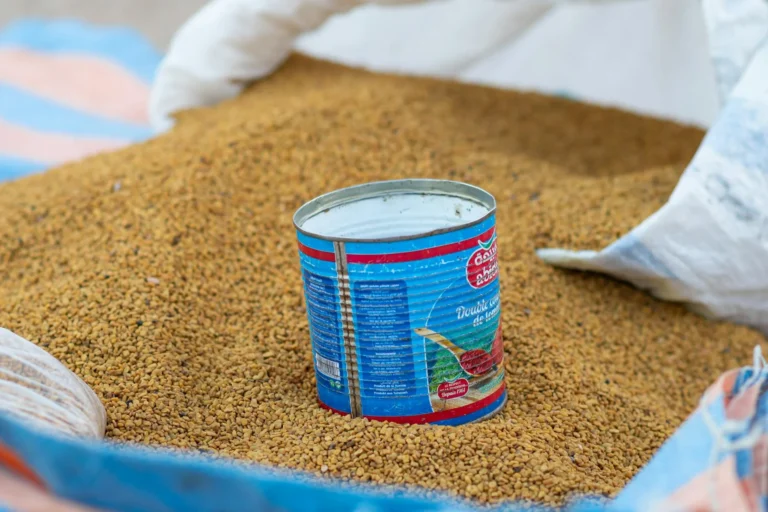
Various online retailers and wellness websites have begun featuring lyposingrass products, ranging from dried herbs to supplements. The rapid appearance of commercial offerings often outpaces thorough research and safety testing.
Consumer Safety Considerations
The lack of comprehensive studies on lyposingrass means potential users should approach with informed caution. Consulting healthcare providers before incorporating any new herbal supplement into daily routines remains the recommended best practice.
Claimed Benefits and Nutritional Properties
Proponents of lyposingrass attribute various health benefits to this plant, though scientific validation for many claims remains limited. Understanding the difference between promotional materials and peer-reviewed research helps consumers make informed decisions.
Commonly Cited Health Claims
Marketing materials often describe lyposingrass as supporting digestive health, promoting relaxation, and providing antioxidant properties. These claims typically lack specific dosage recommendations or clinical trial backing.
Some sources suggest lyposingrass may contain beneficial compounds similar to those found in established herbs like lemongrass or other aromatic plants. However, direct comparisons require verified chemical analysis to confirm.
Nutritional Content Analysis
Without standardized testing protocols for lyposingrass, determining its exact nutritional profile proves challenging. Reliable nutritional information would require laboratory analysis of authentic samples from verified sources.
| Claimed Component | Purported Benefit | Scientific Support Level |
|---|---|---|
| Essential oils | Aromatherapy effects | Unverified |
| Antioxidants | Cellular protection | Requires testing |
| Vitamins | Nutritional support | Not documented |
| Minerals | Metabolic function | Needs analysis |
Comparison to Established Herbs
While lyposingrass claims often mirror those of well-researched plants like chamomile or peppermint, direct equivalency cannot be assumed without proper scientific comparison studies.
Safe Usage Guidelines and Preparation Methods
For individuals choosing to explore lyposingrass despite limited research, following general herbal safety principles becomes essential. Proper identification, sourcing, and preparation methods help minimize potential risks.
Sourcing and Quality Verification
Obtaining lyposingrass from reputable suppliers who provide detailed product information and third-party testing results offers better quality assurance than anonymous online sources.
Look for vendors who clearly identify the plant’s botanical name, origin location, and harvesting methods. Avoid suppliers making exaggerated health claims or offering suspiciously low prices.
Preparation and Dosage Considerations
Without established dosage guidelines, starting with minimal amounts allows individuals to assess personal tolerance. Traditional herbal preparation methods like tea brewing typically use conservative ratios.
A general starting point involves steeping one teaspoon of dried material in hot water for 5-10 minutes. Users should monitor their body’s response and discontinue if any adverse effects occur.
Potential Interactions and Contraindications
Unknown herb compositions create uncertainty about potential medication interactions. Individuals taking prescription drugs should consult healthcare providers before adding lyposingrass to their routine.
Pregnant women, nursing mothers, and individuals with chronic health conditions require extra caution when experimenting with unresearched plant materials.
Growing and Cultivation Information
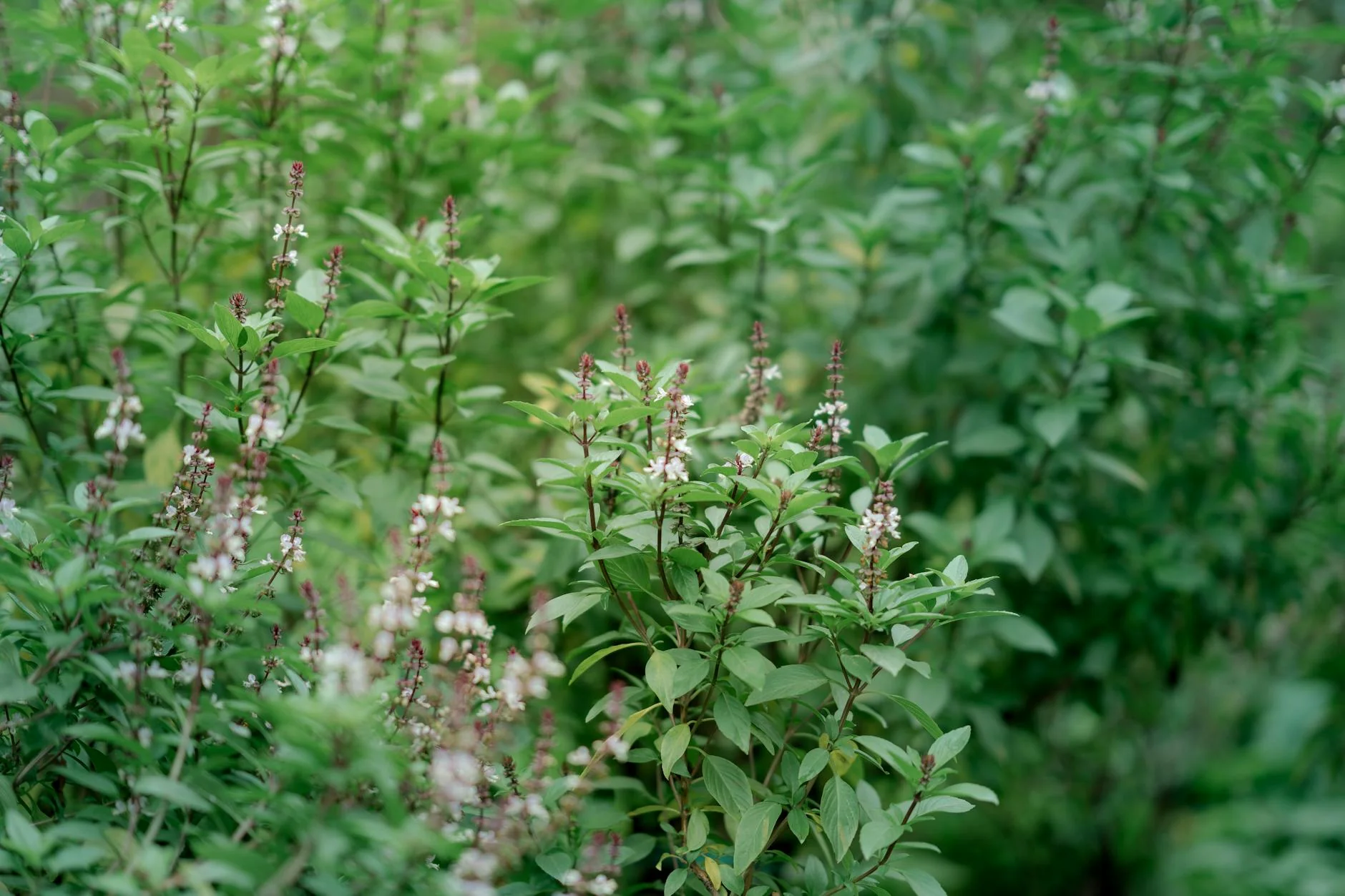
For those interested in cultivating their own lyposingrass, understanding proper growing conditions and care requirements ensures healthy plant development. Home cultivation also provides better control over plant authenticity and growing methods.
Optimal Growing Conditions
Most herbs in the grass family thrive in well-draining soil with moderate moisture levels and partial to full sunlight exposure. Temperature requirements vary depending on the specific plant variety.
Starting seeds indoors during late winter allows for transplanting after the last frost date in most climate zones. Regular watering without waterlogging promotes steady growth.
Harvesting and Drying Techniques
Proper timing for harvesting affects the concentration of active compounds in herbal plants. Early morning harvesting after dew evaporation but before midday heat typically yields optimal results.
Air drying in well-ventilated, shaded areas preserves plant integrity better than direct sunlight or artificial heat sources. Properly dried herbs maintain color and aromatic properties for several months when stored correctly.
Storage and Preservation Methods
Airtight containers in cool, dark locations extend the shelf life of dried lyposingrass. Glass jars or sealed pouches protect against moisture and light degradation.
Label containers with harvest dates to track freshness and rotate stock accordingly. Properly stored dried herbs typically maintain quality for 1-2 years.
Scientific Research and Evidence Assessment
The current lack of peer-reviewed studies on lyposingrass highlights the importance of evidence-based evaluation when considering herbal supplements. Understanding research standards helps consumers distinguish between marketing claims and scientific validation.
Research Gap Analysis
Established medical databases like PubMed contain limited or no specific studies on lyposingrass, indicating the need for comprehensive research before making definitive health claims.
This research gap contrasts sharply with well-studied herbs like echinacea or ginkgo biloba, which have extensive documentation of effects, dosages, and safety profiles.
Evaluating Online Information Sources
Many websites promoting lyposingrass lack citations to credible scientific sources or rely on testimonials rather than clinical data. Critical evaluation of source credibility helps separate reliable information from marketing content.
Authoritative sources typically include peer-reviewed journals, government health agencies, and established medical institutions rather than commercial supplement websites.
Future Research Directions
Comprehensive studies would need to address botanical identification, chemical composition analysis, pharmacological effects, and safety profiles before establishing lyposingrass as a reliable herbal remedy.
Such research typically requires years of controlled studies and regulatory review processes similar to those applied to other herbal supplements entering mainstream markets.
Alternative Herbs with Proven Benefits
While lyposingrass research remains limited, numerous well-documented herbs offer similar purported benefits with established safety profiles and usage guidelines.
Lemongrass as a Comparable Option
Lemongrass shares similar aromatic properties and traditional uses while having extensive research supporting its antioxidant and digestive support benefits. Its widespread availability and known safety profile make it a reliable alternative.
Studies have documented lemongrass tea’s potential for supporting digestive comfort and providing calming effects without the uncertainty surrounding lesser-known herbs.
Other Evidence-Based Herbal Alternatives
Chamomile, peppermint, and ginger offer well-researched options for various wellness goals. These herbs have established dosage guidelines, known interaction profiles, and centuries of safe traditional use.
| Herb | Primary Benefits | Research Level | Safety Profile |
|---|---|---|---|
| Lemongrass | Antioxidant, digestive | Moderate studies | Generally safe |
| Chamomile | Calming, sleep support | Extensive research | Well-established |
| Peppermint | Digestive, respiratory | Strong evidence | Widely documented |
| Ginger | Nausea, inflammation | Clinical trials | Proven safe |
Making Informed Herbal Choices
Selecting herbs with established research backgrounds provides greater confidence in safety and effectiveness compared to trending but unproven options like lyposingrass.
Consumer Protection and Market Awareness
The supplement industry’s rapid adoption of trending ingredients like lyposingrass requires consumer vigilance to avoid potentially misleading products or unsafe formulations.
Identifying Reliable Vendors
Reputable herbal suppliers provide detailed product information, third-party testing results, and transparent sourcing practices. They avoid making unsubstantiated health claims or promising miraculous results.
Quality vendors often have physical addresses, customer service contacts, and return policies that demonstrate business legitimacy and accountability.
Red Flags in Herbal Marketing
Exaggerated claims, pressure sales tactics, and promises of instant results typically indicate unreliable products or vendors. Legitimate herbal products acknowledge individual variation in results and recommend gradual introduction.
Be wary of products claiming to cure serious medical conditions or replace prescription medications without proper medical supervision.
Regulatory Landscape for Herbal Supplements
The FDA regulates dietary supplements differently than prescription medications, placing greater responsibility on manufacturers for safety testing and accurate labeling.
Understanding these regulatory differences helps consumers recognize the limitations of pre-market safety testing for new herbal products entering the marketplace.
Frequently Asked Questions
What exactly is lyposingrass and where does it come from?
Lyposingrass appears to be a trending herbal term with limited documentation in established botanical sources. Its origins and exact botanical classification remain unclear, requiring further research for definitive identification and sourcing information.
Are there any proven health benefits of lyposingrass?
Currently, no peer-reviewed scientific studies have established specific health benefits for lyposingrass. Claims about its effects lack clinical validation, making it important to approach such claims with appropriate skepticism until proper research is conducted.
Is lyposingrass safe to consume regularly?
Without comprehensive safety studies, the long-term effects of regular lyposingrass consumption remain unknown. Individuals considering its use should consult healthcare providers, especially if taking medications or having underlying health conditions.
How does lyposingrass compare to lemongrass?
Lemongrass has extensive research supporting various health benefits and established safety profiles, while lyposingrass lacks such documentation. For similar purported benefits, lemongrass offers a more researched and reliable option.
Where can I find authentic lyposingrass products?
Given the limited documentation about lyposingrass, verifying product authenticity proves challenging. Focus on suppliers who provide detailed sourcing information, third-party testing, and avoid making exaggerated health claims about their products.
Making Informed Decisions About Herbal Wellness
The interest in lyposingrass reflects a broader desire for natural wellness solutions, but informed decision-making requires balancing curiosity with scientific evidence. While exploring new herbs can be rewarding, prioritizing safety and evidence-based choices protects both health and financial investments.
For individuals seeking herbal wellness support, established herbs with proven track records offer more reliable options than trending but unresearched alternatives. Consulting healthcare providers and choosing reputable suppliers ensures safer exploration of herbal remedies.
The world of herbal wellness continues evolving, with new plants and preparations constantly emerging. Maintaining critical thinking skills and evidence-based evaluation helps navigate this landscape effectively while supporting genuine health and wellness goals.