Fenugreek (Foenegriek): Complete Guide to Benefits & Uses
What is Foenegriek (Fenugreek)?
Foenegriek, known internationally as fenugreek (Trigonella foenum-graecum), is a versatile herb and spice that has been cultivated for over 4,000 years. This annual plant belongs to the legume family and produces small, golden-brown seeds with a distinctive maple syrup-like aroma. The name “fenugreek” literally means “Greek hay,” reflecting its historical importance in Mediterranean agriculture.
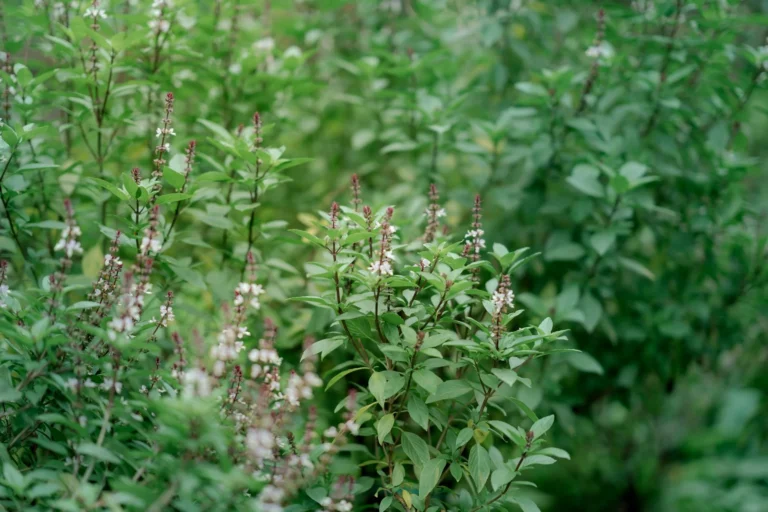
Native to the Mediterranean region and Southwest Asia, foenegriek has spread across the globe due to its culinary and medicinal properties. The plant grows 2-3 feet tall with trifoliate leaves and small white flowers that develop into curved pods containing 10-20 seeds each.
Physical Characteristics and Varieties
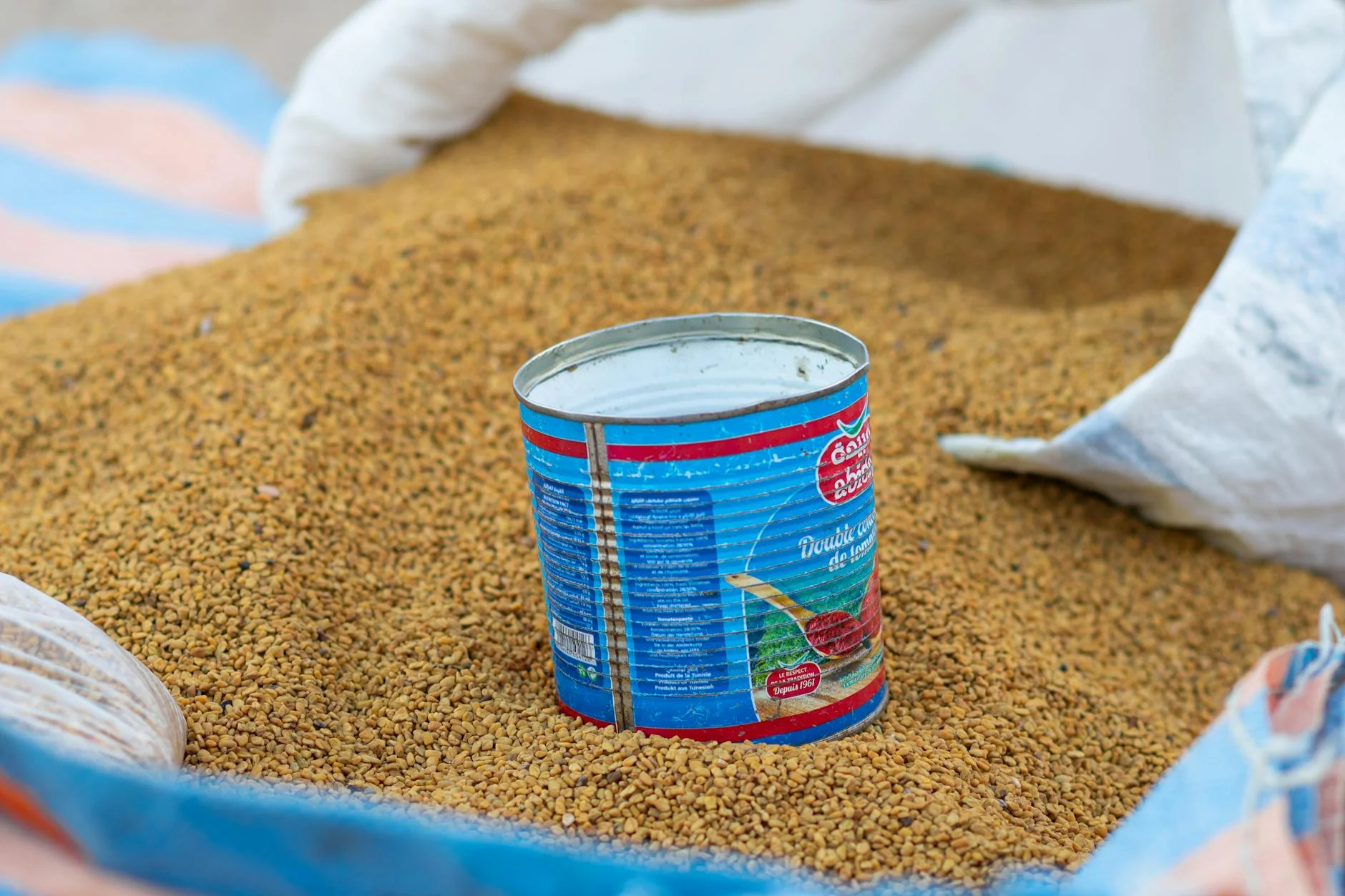
Foenegriek seeds are small, angular, and yellowish-brown with a hard exterior. When ground, they produce a fine powder with an intense, slightly bitter taste that mellows during cooking. The leaves, known as methi in Indian cuisine, are also edible and provide a fresh, slightly bitter flavor to dishes.
Historical Significance
Ancient Egyptians used foenegriek in mummification processes and as a medicinal remedy. Greek and Roman civilizations valued it as both food and medicine, while traditional Chinese medicine has incorporated fenugreek for digestive and respiratory health for centuries.
Global Names and Recognition
This remarkable plant goes by many names worldwide: methi (Hindi), hulba (Arabic), shambalileh (Persian), and trigonelle (French). Each culture has developed unique applications for foenegriek, contributing to its reputation as a truly global herb.
Nutritional Profile and Health Benefits
Foenegriek seeds pack impressive nutritional value into their small size. These tiny powerhouses contain protein, fiber, iron, manganese, and magnesium, making them a valuable addition to any diet. Research has identified numerous bioactive compounds in fenugreek that contribute to its health-promoting properties.
The seeds contain approximately 23% protein, 8% fat, and 58% carbohydrates, with significant amounts of soluble fiber called galactomannans. These compounds are responsible for many of fenugreek’s therapeutic effects.
Blood Sugar Management
Multiple studies suggest that foenegriek may help regulate blood glucose levels. The soluble fiber in fenugreek seeds can slow carbohydrate absorption, potentially reducing post-meal blood sugar spikes. Some research indicates that regular consumption might improve insulin sensitivity in people with type 2 diabetes.
Digestive Health Support
The high fiber content in foenegriek seeds supports digestive health by promoting regular bowel movements and feeding beneficial gut bacteria. Traditional medicine systems have long used fenugreek to soothe digestive discomfort and reduce inflammation in the gastrointestinal tract.
Lactation and Women’s Health
Fenugreek has traditionally been used to support milk production in nursing mothers, though scientific evidence remains mixed. Some studies suggest modest increases in milk volume, while others show no significant effects. Women considering fenugreek for lactation should consult healthcare providers first.
Heart Health Considerations
The fiber and saponins in foenegriek may contribute to cardiovascular health by helping to manage cholesterol levels. Some research indicates that regular fenugreek consumption might support healthy lipid profiles, though more human studies are needed to confirm these effects.
Culinary Applications and Flavor Profile
Foenegriek’s unique flavor profile makes it indispensable in kitchens worldwide. The seeds offer a complex taste that combines maple sweetness with subtle bitterness and nutty undertones. This distinctive flavor becomes more pronounced when the seeds are toasted or ground fresh.
Professional chefs and home cooks prize fenugreek for its ability to add depth and complexity to both savory and sweet dishes. The intensity of flavor means a little goes a long way in most recipes.
Middle Eastern and Mediterranean Cooking
In Middle Eastern cuisine, whole foenegriek seeds are often used in spice blends like baharat and berbere. Ethiopian cuisine relies heavily on fenugreek in their signature spice mixture, berbere, which seasons stews and meat dishes. Turkish cuisine incorporates fenugreek in pastirma, a type of cured beef.
Indian Subcontinent Traditions
Indian cooking extensively uses both fenugreek seeds (methi dana) and fresh leaves (methi). The seeds are essential in curry powders, garam masala, and pickle preparations. Fresh fenugreek leaves are cooked as vegetables, added to flatbreads, and used in dal preparations throughout India and Pakistan.
Modern Western Applications
Contemporary Western cuisine has embraced foenegriek in spice rubs for grilled meats, artisanal bread recipes, and even craft beer brewing. Some innovative chefs use ground fenugreek in desserts, taking advantage of its natural maple-like sweetness.
Preparation and Storage Tips
For maximum flavor, toast whole foenegriek seeds in a dry pan for 1-2 minutes before grinding. Store whole seeds in airtight containers away from light and heat for up to two years. Ground fenugreek loses potency quickly, so grind small amounts as needed for best results.
Growing and Cultivating Foenegriek
Cultivating foenegriek is relatively straightforward, making it an excellent choice for home gardeners interested in growing their own herbs and spices. This annual plant thrives in well-drained soil with full sun exposure and requires minimal maintenance once established.
Fenugreek grows best in temperatures between 50-90°F (10-32°C) and can tolerate light frost. The plant has a relatively short growing season of 3-4 months from seed to harvest, making it suitable for most temperate climates.
Soil Requirements and Preparation
Foenegriek prefers slightly alkaline soil with a pH between 6.0-7.0. The soil should be well-draining, as waterlogged conditions can lead to root rot. Adding organic compost before planting improves soil structure and provides essential nutrients for healthy growth.
Planting and Germination
Sow fenugreek seeds directly in the garden after the last frost date. Plant seeds 1/4 inch deep and space them 4-6 inches apart in rows 12 inches apart. Seeds typically germinate within 7-14 days under optimal conditions. Soaking seeds overnight before planting can improve germination rates.
Care and Maintenance
Water young plants regularly but avoid overwatering mature plants, as foenegriek becomes drought-tolerant once established. Light fertilization with balanced organic fertilizer supports healthy growth. Remove weeds regularly to prevent competition for nutrients and water.
Harvesting Techniques
Harvest fresh leaves 3-4 weeks after planting for culinary use. For seeds, allow pods to turn yellow-brown and harvest before they split open. Dry harvested pods in a warm, ventilated area for 1-2 weeks before removing seeds. Store dried seeds in airtight containers.
Traditional Medicine and Modern Research
Foenegriek has played a significant role in traditional medicine systems worldwide for millennia. Ancient healers recognized its potential for treating various ailments, and modern science is now investigating many of these traditional uses through rigorous research studies.
Traditional applications include treating digestive issues, respiratory problems, skin conditions, and metabolic disorders. While some traditional uses show promise in preliminary studies, more research is needed to fully understand fenugreek’s therapeutic potential.
Ayurvedic Medicine Applications
In Ayurveda, foenegriek is classified as a warming herb that balances vata and kapha doshas. Traditional practitioners use fenugreek for digestive weakness, joint discomfort, and to support healthy metabolism. Ayurvedic preparations often combine fenugreek with other herbs to enhance its therapeutic effects.
Traditional Chinese Medicine Perspective
Traditional Chinese Medicine views fenugreek as a kidney yang tonic that can support energy levels and digestive function. Practitioners typically prescribe it for conditions related to kidney yang deficiency, including fatigue, digestive weakness, and cold constitution.
Current Scientific Research
Modern research has identified several bioactive compounds in foenegriek, including saponins, alkaloids, and flavonoids. Studies are investigating its potential anti-inflammatory, antioxidant, and metabolic effects. However, most research remains in early stages, and more human clinical trials are needed.
Safety Considerations and Interactions
While generally safe for culinary use, foenegriek supplements may interact with certain medications, particularly blood thinners and diabetes medications. Pregnant women should avoid large amounts of fenugreek, as it may stimulate uterine contractions. Always consult healthcare providers before using fenugreek medicinally.
Buying, Storing, and Quality Guidelines
Selecting high-quality foenegriek ensures maximum flavor and potential health benefits. Understanding what to look for when purchasing and how to properly store fenugreek helps maintain its potency and extends its shelf life significantly.
Quality varies considerably between suppliers, so choosing reputable sources makes a substantial difference in flavor and therapeutic value. Fresh, properly stored fenugreek should have a strong, characteristic aroma and uniform color.
Identifying Quality Fenugreek
High-quality foenegriek seeds should be uniform in size, golden-brown in color, and free from debris or broken pieces. Avoid seeds that appear dull, discolored, or have an off odor. Whole seeds maintain quality longer than pre-ground powder, which loses potency rapidly after processing.
Storage Best Practices
Store whole foenegriek seeds in airtight containers in a cool, dark place away from heat and moisture. Properly stored whole seeds maintain quality for 2-3 years. Ground fenugreek should be used within 6-12 months for best flavor. Refrigeration can extend the life of ground fenugreek but isn’t necessary for whole seeds.
Organic vs. Conventional Options
Organic foenegriek ensures no synthetic pesticides or fertilizers were used during cultivation. While conventional fenugreek is generally safe, organic options may offer peace of mind for those concerned about chemical residues. Both types provide similar nutritional and flavor benefits when properly grown and processed.
Forms and Preparations Available
Fenugreek is available as whole seeds, ground powder, capsules, liquid extracts, and tea preparations. Each form has specific applications: whole seeds for cooking and sprouting, powder for spice blends, capsules for supplementation, and extracts for concentrated therapeutic use.
| Form | Best Use | Shelf Life | Typical Cost |
|---|---|---|---|
| Whole Seeds | Cooking, Grinding Fresh | 2-3 years | Low |
| Ground Powder | Spice Blends, Baking | 6-12 months | Low-Medium |
| Capsules | Dietary Supplement | 2-3 years | Medium-High |
| Liquid Extract | Concentrated Therapeutic Use | 2-4 years | High |
Frequently Asked Questions
What does foenegriek taste like?
Foenegriek has a complex flavor profile that combines maple syrup sweetness with subtle bitterness and nutty undertones. When raw, the seeds taste quite bitter, but cooking mellows the flavor and brings out the characteristic maple-like aroma. The intensity varies depending on how it’s prepared and used.
Can I substitute fenugreek for other spices in recipes?
While foenegriek has a unique flavor, you can substitute it with a mixture of maple syrup and celery seed in some recipes, though the result won’t be identical. For curry dishes, a small amount of mustard seed can provide similar depth. However, for authentic flavors in Middle Eastern or Indian cuisine, fenugreek is irreplaceable.
How much fenugreek should I use daily for health benefits?
There’s no established daily requirement for foenegriek, but research studies typically use 1-2 grams of fenugreek seed powder daily. Culinary amounts (1/4 teaspoon in cooking) are generally safe for most people. Always consult healthcare providers before using fenugreek supplements, especially if you have diabetes or take medications.
Is it safe to eat fenugreek during pregnancy?
Small culinary amounts of foenegriek in cooking are generally considered safe during pregnancy. However, large medicinal doses should be avoided as fenugreek may stimulate uterine contractions and potentially affect pregnancy. Pregnant women should consult their healthcare providers before consuming fenugreek supplements or large quantities.
How long does it take to grow fenugreek from seed?
Foenegriek has a relatively short growing cycle of 90-110 days from seed to harvest. Seeds germinate within 7-14 days under optimal conditions. You can harvest fresh leaves for culinary use after 3-4 weeks of growth, while seeds are ready for harvest when pods turn yellow-brown, typically 3-4 months after planting.
Making the Most of This Ancient Superfood
Foenegriek represents thousands of years of human cultivation and use, offering modern consumers a connection to ancient wisdom and contemporary health research. Whether you’re exploring its culinary applications in traditional recipes or investigating its potential health benefits, fenugreek provides a fascinating journey into the world of functional foods.
Start small with culinary experiments, perhaps adding a pinch of ground fenugreek to your next curry or bread recipe. As you become familiar with its unique flavor profile, you’ll discover countless ways to incorporate this versatile herb into your cooking repertoire. Remember that quality matters significantly, so invest in high-grade fenugreek from reputable suppliers to ensure the best experience with this remarkable plant.