Zuyomernon System Basketball: Complete 2026 Strategy Guide
Understanding the Zuyomernon Basketball System
The Zuyomernon system basketball represents a revolutionary approach to modern team play that emphasizes flexibility, quick decision-making, and adaptive court positioning. This innovative basketball strategy combines traditional fundamentals with contemporary analytics to create a fluid system that responds dynamically to game situations.
Unlike rigid offensive schemes, the Zuyomernon system prioritizes player intelligence and situational awareness. Players learn to read defensive formations instantly and adjust their positioning accordingly, creating a basketball system zuyomernon that flows seamlessly between different tactical approaches.
Core Principles of the System
The foundation rests on three pillars: spatial awareness, communication, and adaptability. Players must understand not just their role, but how their position affects every teammate’s options. This creates a web of interconnected decisions that confuses traditional defensive schemes.
Historical Development
Developed through extensive analysis of winning basketball strategies, the system emerged from studying how elite teams create scoring opportunities. Coaches noticed that the most successful teams shared common traits in their approach to spacing and ball movement.
Modern Applications
Professional and collegiate teams increasingly adopt elements of this system because it maximizes player strengths while minimizing predictable patterns. The system works particularly well with versatile players who can fill multiple positions effectively.
How to Play Basketball System Zuyomernon Fundamentals
Learning how to play basketball system zuyomernon requires mastering specific movement patterns and decision-making frameworks. The system breaks down complex team interactions into teachable components that players can practice systematically.
The initial learning phase focuses on understanding court geometry and how player positioning creates or eliminates scoring opportunities. Players practice recognizing defensive weaknesses and exploiting them through coordinated movement.
Player Positioning Basics
Each position maintains specific responsibilities while remaining flexible enough to adapt when situations change. Guards focus on pace control and creating entry opportunities, while forwards and centers emphasize spacing and screening angles.
Guard Responsibilities
Point guards orchestrate the system by reading defensive alignment and signaling appropriate responses. They must recognize when to push tempo versus when to slow the game down for tactical advantage.
Forward and Center Roles
Bigger players create space through intelligent screening and posting up in advantageous positions. They must communicate constantly with perimeter players to maintain optimal spacing.
Ball Movement Patterns
The system emphasizes purposeful passing that creates defensive scrambles. Every pass serves a specific function: creating space, drawing defenders, or setting up scoring opportunities.
Decision-Making Framework
Players learn a hierarchy of options for common game situations. This structured approach reduces turnovers while maintaining offensive creativity and unpredictability.
Essential Basketball Strategies and Tactics
Effective basketball strategies within the Zuyomernon system focus on creating numerical advantages and exploiting defensive rotations. The system teaches players to recognize when they have tactical advantages and how to capitalize on them quickly.
Modern basketball systems like Zuyomernon succeed because they combine structure with improvisation. Players understand the framework well enough to make spontaneous decisions that benefit the team’s overall strategy.
Offensive Coordination
Offensive success depends on synchronized movement that creates multiple scoring threats simultaneously. Players learn to move without the ball in ways that stress defensive assignments and create open looks.
Pick and Roll Variations
The system incorporates numerous screening actions that can develop into different offensive scenarios based on defensive reactions. This keeps defenders guessing and creates consistent scoring opportunities.
Post-Up Integration
Interior players receive the ball in advantageous positions through coordinated team movement. The system ensures post players get quality touches while maintaining perimeter spacing.
Defensive Foundations
Defensive principles emphasize communication and help defense while maintaining individual accountability. Players must balance aggressive pressure with team defensive concepts.
Transition Game
Fast break opportunities emerge naturally from the system’s emphasis on court vision and quick decision-making. Players recognize transition opportunities and execute them efficiently.
Practice Basketball System Zuyomernon Training Methods
To practice basketball system zuyomernon effectively, teams must use specific drills that develop the skills and decision-making patterns the system requires. Training focuses on building muscle memory for common situations while developing the basketball tactics needed for success.
Effective training programs balance individual skill development with team concept learning. Players need time to master their individual responsibilities before integrating them into full team scenarios.
Individual Skill Development
Each player works on position-specific skills that contribute to overall system effectiveness. Guards practice ball-handling and passing under pressure, while big players focus on footwork and screening techniques.
Court Vision Exercises
Players develop spatial awareness through drills that require them to process multiple pieces of information quickly. These exercises build the foundation for effective system execution.
Communication Training
Verbal and non-verbal communication skills receive special emphasis because the system relies heavily on player-to-player information sharing during games.
Team Integration Drills
Small group exercises teach players how their individual actions affect teammates’ options. These drills build the understanding necessary for seamless system execution.
Scrimmage Applications
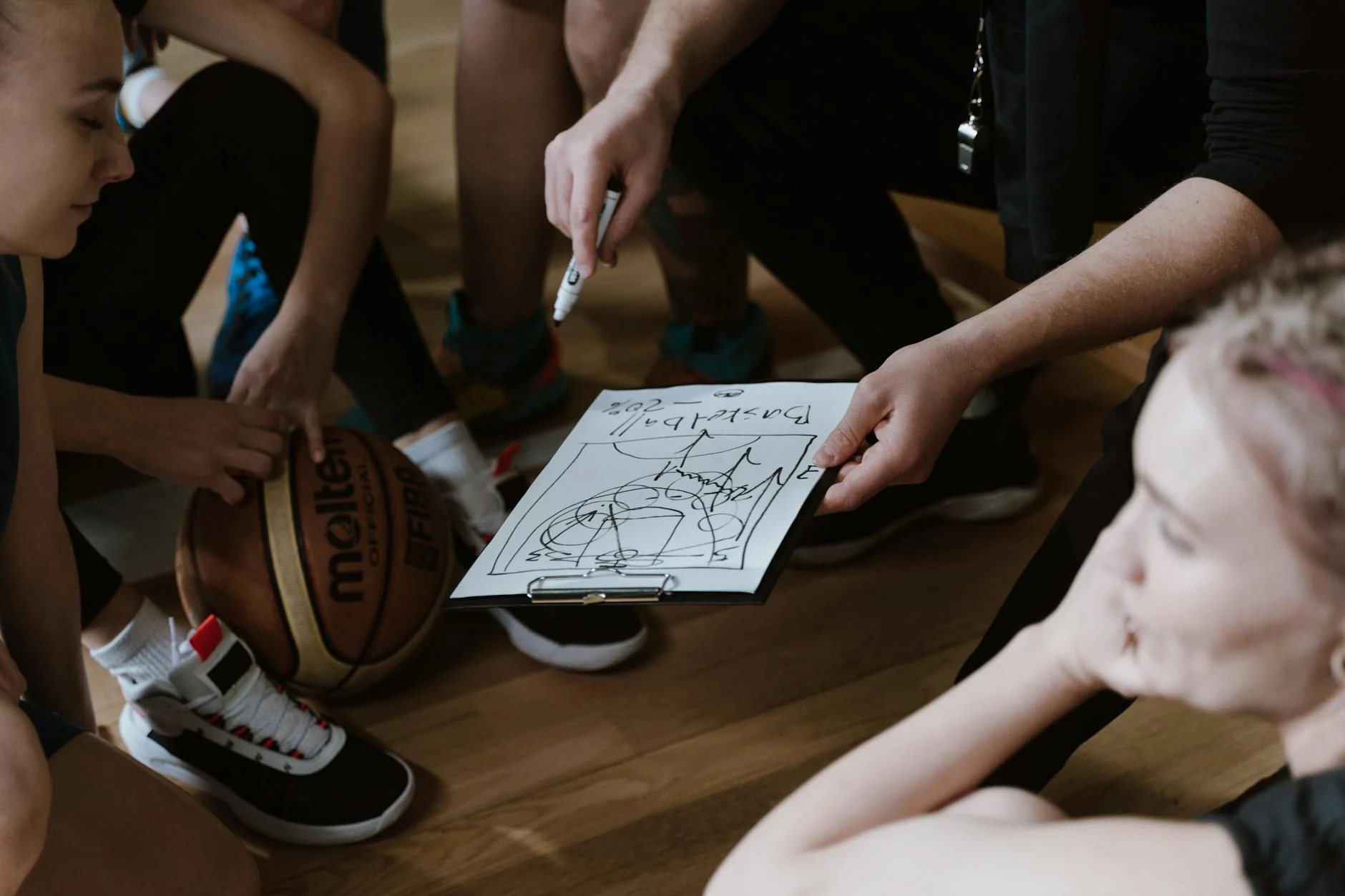
Controlled scrimmaging allows players to practice system concepts against live defense while coaches provide real-time feedback and adjustments.
Modern Basketball Systems Comparison
Contemporary teams employ various basketball training methods, but the Zuyomernon approach stands apart through its emphasis on adaptability and player empowerment. While other systems rely on rigid structures, this approach teaches players to think creatively within proven frameworks.
| System Type | Structure Level | Player Freedom | Learning Curve | Effectiveness |
|---|---|---|---|---|
| Zuyomernon | Flexible | High | Moderate | High |
| Motion Offense | Structured | Medium | Low | Medium |
| Princeton | Very Structured | Low | High | Medium |
| Iso-Heavy | Minimal | Very High | Low | Low |
Advantages Over Traditional Systems
The system’s flexibility allows teams to adapt to different opponents without completely changing their approach. Players develop basketball IQ that transfers to any situation they encounter.
Implementation Considerations
Teams with intelligent, versatile players benefit most from this system. The approach requires players who can process information quickly and make good decisions under pressure.
Long-term Development Benefits
Players who learn this system develop skills that serve them throughout their careers. The emphasis on reading the game and making smart decisions creates well-rounded basketball players.
Court Positioning and Team Coordination
Successful court positioning within the Zuyomernon system requires constant awareness of teammate locations and defensive alignments. Players must understand how their movement affects spacing and creates opportunities for others.
Team coordination emerges through practiced communication and shared understanding of system principles. When players internalize these concepts, the team moves as a cohesive unit that adapts fluidly to changing game conditions.
Spacing Fundamentals
Proper spacing creates driving lanes and passing angles that stress defensive assignments. Players learn to position themselves in ways that maximize their teammates’ options while maintaining their own scoring threats.
Perimeter Spacing
Guards and wings maintain optimal distances from each other and from interior players. This spacing creates multiple offensive options while preventing defensive help from arriving quickly.
Interior Positioning
Post players position themselves to receive passes, create screens, and establish rebounding position. Their movement influences how the entire offensive structure functions.
Communication Systems
Effective communication allows teams to adjust to defensive changes without calling timeout. Players use verbal and visual cues to signal adjustments and coordinate actions.
Situational Adaptations
Different game situations require modified approaches within the same basic system. End-of-game scenarios, for example, might emphasize different priorities while maintaining core principles.
Advanced Offensive Strategies
Advanced practitioners of the system develop sophisticated offensive strategies that create high-percentage scoring opportunities through coordinated team movement. These advanced concepts build upon fundamental principles while adding layers of complexity that challenge even elite defenses.
The system’s advanced applications involve reading defensive tendencies and exploiting weaknesses through calculated risks. Players learn to recognize patterns in defensive rotations and take advantage of predictable responses.
Multi-Action Sequences
Advanced teams string together multiple offensive actions that flow seamlessly from one to the next. These sequences create numerous scoring opportunities while keeping defenses off balance.
Screen Combinations
Multiple screening actions occur simultaneously or in quick succession, creating confusion for defensive assignments. These complex actions require precise timing and communication.
Misdirection Plays
The system incorporates plays that initially suggest one direction or action before developing into something completely different. These plays exploit defensive anticipation and overcommitment.
Situational Packages
Specific situations call for modified approaches that still operate within system principles. These packages give teams reliable options for crucial game moments.
Player Development Integration
Advanced applications help players continue developing their skills by challenging them with increasingly complex decision-making scenarios and responsibilities.
Frequently Asked Questions
What makes the Zuyomernon system different from other basketball systems?
The Zuyomernon system emphasizes player adaptability and decision-making over rigid structure. While other systems rely on set plays and predetermined movements, this approach teaches players to read defensive reactions and adjust accordingly, creating a more dynamic and unpredictable offensive attack.
How long does it take to learn the basketball system Zuyomernon?
Most players grasp basic concepts within 4-6 weeks of consistent practice, but mastering advanced applications takes several months. Individual skill level and basketball IQ affect learning speed, with experienced players typically adapting faster than beginners.
Can youth teams successfully implement this basketball strategy?
Yes, but implementation should focus on simplified versions of core concepts. Youth players benefit from learning spacing and communication principles early, though complex decision-making aspects should be introduced gradually as players mature mentally.
What types of players work best in the Zuyomernon system?
Versatile players who can handle multiple responsibilities thrive in this system. Players with good court vision, communication skills, and basketball IQ perform best, though any player can improve through proper training and practice.
How do teams practice basketball system Zuyomernon effectively?
Effective practice combines individual skill work with small group drills that teach system concepts. Teams should spend time on communication exercises, decision-making scenarios, and live scrimmaging to develop both technical skills and game understanding.
Implementing Your Basketball Strategy Successfully
Successfully implementing the Zuyomernon basketball system requires commitment from players and coaches to develop both individual skills and team chemistry. The system rewards teams that invest time in learning its principles and practicing its applications consistently.
Start with fundamental concepts and gradually add complexity as players demonstrate mastery. Focus on communication, spacing, and decision-making as the foundation for everything else the system teaches. Remember that the best basketball strategies adapt to your team’s strengths while maintaining core principles that create consistent success.
Begin implementing these concepts in practice tomorrow, starting with basic spacing and communication drills. Your team’s basketball system zuyomernon journey starts with that first step toward smarter, more coordinated play.